Master Degree in Nursing
(M.Sc – N)
Affiliated to Rajiv Gandhi University of Health Sciences, Bangalore.
Recognised by Indian Nursing Council
INTRODUCTION :
Goutham college of Nursing faculty, Rajiv Gandhi University of Health Science, Bangalore, Presents the following statements of beliefs about Master of Nursing program.
The Master of Nursing program is offered by Institution of higher education and is built upon a recognised (by Indian Nursing Council) Bachelor’s curriculum in Nursing.

|
The program prepares nurses for leadership in nursing and health field who can function as specialist nurse practitioners, consultants, educators, administrators, and investigators in various professional settings, meeting national priorities and societal needs.
The program prepares nursing graduates who are professionally equipped, creative, self-directed, and socially motivated to effectively deal with day-to-day problems within existing constraints and act as agents of social change.
Further, the program encourages accountability and lifelong learning which fosters improvement of quality care.
OBJECTIVES :
| 1 | Increased cognitive, affective and psychomotor competencies and the ability to utilize potentialities for efficient nursing performance. |
| 2 | Expertise in utilizing concepts and theories for assessment, planning, and intervention to meet self-care needs of individuals. |
| 3 | Ability to practice independently as a nurse specialist. |
| 4 | Ability to function effectively as educators and administrators. |
| 5 | Ability to interpret health-related research and develop initial competencies in research. |
| 6 | Ability to plan and initiate change in the healthcare system. |
| 7 | Leadership qualities for advancement of professional nursing practice. |
| 8 | Ability to collaborate with other disciplines for healthcare improvement. |
| 9 | Interest in lifelong learning for personal and professional advancement. |
ELIGIBILITY:
The candidate seeking admission must:
| 1 | Have passed B.Sc. Nursing / Post Certificate B.Sc. Nursing from recognized university with 50% aggregate. | ||||
| 2 | Have minimum one-year experience after B.Sc. Nursing (Basic) in hospital, nursing education or community health setting. | ||||
| For B.Sc. Nursing Post Certificate, no experience required after graduation. | |||||
| 3 |
|
||||
| Criteria for selection of candidates: | |||||
| 4 | Selection on merit based on academic performance and CET conducted by the gov of Karnataka. | ||||
SPECIALITIES :
| Candidates can specialize in: | |
| Branch I | Medical Surgical Nursing (MSN) |
| Branch II | Community Health Nursing (CHN) |
| Branch III | Pediatrics Nursing (Child Health Nursing) |
| Branch IV | Obstetrics and Gynecological Nursing (OBG) |
| Branch V | Psychiatric Nursing (Psy) |
DURATION :
Two Academic Years
Master Degree of Psychology
M.Sc. (Psy)
Affiliated to: Bangalore City University, Recognised by Govt. of Karnataka
|
INTRODUCTION :
ELIGIBILITY :
Candidates with at least 40% aggregate marks, with Psychology as one of the optional subjects and 50% marks in cognate subjects at the Bachelor’s degree level.
DURATION :
COURSE OF STUDY :
| Theory 1 | Foundations of Human Behaviour |
| Theory 2 | Life Span Psychology |
| Theory 3 | Social and Group Process |
| Theory 4 | Indigenous and Transpersonal Psychology |
| Theory 5 | General / Developmental Psychology (Practical) |
| Theory 6 | Social & Group Process (Practical) |
| Theory 7 | Behavior Dysfunction, Theories of Counselling |
| Theory 8 | Foundations of Professional Counselling |
| Theory 9 | Theories of Group Counselling |
| Practical 1 | Assessment for Counselling |
| Practical 2 | Individual Counselling Skills |
Master in Social Work
(M.S.W)
Affiliated to Bangalore City University
The M.S.W. Programme aims to provide education and training for individuals seeking a career in professional social work.

|
| 1 | To develop knowledge, skills, attitudes, and values essential for working with individuals, groups, and communities. |
| 2 | To promote the integration of theory and practice in social work. |
| 3 | To encourage interdisciplinary collaboration for better understanding of human issues and development. |
| 4 | To instill dedication and commitment for serving disadvantaged and underprivileged sections of society. |
| 5 | To foster personal development among students. |
ELIGIBILITY:
Eligibility for Admission (Deputed/Sponsored Candidates):
| Not more than 5 candidates are admitted under deputation/sponsorship. |
| Preference to candidates deputed by Government or PSU. |
| Admission is based on seniority in permanent cadre. |
| Specialization must align with the sponsoring organization's purpose. |
| DURATION: | Two academic years (Four semesters), each semester lasting four months. |
COURSE OF STUDY:
| Paper I | |
| Part A | Social Work Profession |
| Part B | Legal Education for Social Foundations |
COMMENCEMENT OF COURSE:
[September]
* University / Board / Apex Body Prescribed Syllabus & Duration Apply
Master of Physiotherapy - AHC
(M.P.T.)
Affiliated to Rajiv Gandhi University of Health Sciences, Recognised by The Indian Association of Physiotherapists
|
INTRODUCTION:
ELIGIBILITY :
DURATION :
SPECIALITIES :
| Branch I | Musculo Skeletal & Sports |
| Branch II | Neurology |
| Branch III | Cardio-Respiratory |
| Branch IV | Paediatric |
| Branch V | Community based Rehabilitation |
Master of Education
(M.Ed)
Affiliated to Bangalore City University, Recognised by NCTE, New Delhi, and Govt. of Karnataka
“A Teacher is an agent appointed to develop citizenship who can live successfully in the culture of the country” :
INTRODUCTION :
ORIGIN OF THE COURSE :
|
ELIGIBILITY :
DURATION :
Medium of Instruction :
COURSE OF STUDY :
COURSE OF STUDY (As per BCU/NCTE Syllabus) :
| Specialisation – 1 | Educational Management |
| Specialisation – 2 | Curriculum and Instruction |
| Specialisation – 3 | Teacher Education |
| Specialisation – 4 | Educational Measurement and Evaluation |
| Specialisation – 5 | Early Childhood Education |
| Specialisation – 6 | Educational Technology |
| Specialisation – 7 | Community Education |
Bachelor Degree in Physiotherapy
(B.P.T)
Affiliated to Rajiv Gandhi University of Health Sciences
Recognised By The Indian Association of Physiotherapists
INTRODUCTION:
ELIGIBILITY:
DURATION:
COURSE OF STUDY:
| I Year | Human Anatomy, Physiology, Biochemistry, Biomechanics, Psychology & Sociology |
| II Year | Pathology, Microbiology, Pharmacology, Exercise Therapy, Electrotherapy, Research Methodology & Biostatistics |
| III Year | General Medicine, General Surgery, Orthopedics & Traumatology, Orthopedics & Sports Physiotherapy, Cardio-respiratory & General Physiotherapy |
| IV Year | Neurology & Neurosurgery, Community Medicine, Neuro-Physiotherapy, Community Based Rehabilitation |
Bachelor Degree in Basic Nursing
B.Sc. (Nursing)
Affiliated to Rajiv Gandhi University
of Health Sciences & Indian Nursing Council
The college prepares the students of B.Sc. (Nursing), affiliated to the Rajiv Gandhi University of Health Sciences and Indian Nursing Council, to develop an aptitude for nursing and to provide the necessary knowledge and skills to deliver comprehensive care to patients with all types of illness. The course is guided by the following objectives:

Objectives:
The program is designed:
| 1 | To provide a balance of professional and general education. |
| 2 | To enable students to become professional nurse practitioners who are self-directing and responsible citizens. Graduates are prepared for entry-level roles in community and institutional nursing services and have a foundation for ongoing professional development and postgraduate study. |
Through planned guided experiences, students are provided with opportunities to develop:
| 1 | A broad understanding of fundamental principles of nursing care, enabling care for people of all ages in institutional or community settings. |
| 2 | Application of physical, biological, social, and behavioral sciences for assessing health status. |
| 3 | Ability to systematically investigate healthcare problems. |
| 4 | Collaboration with allied health professionals to attain optimal community health outcomes. |
| 5 | Understanding of teaching principles and their application in nursing practice. |
| 6 | Knowledge of administration and organization of nursing services. |
| 7 | Understanding of human behavior and effective interpersonal relationships with individuals, families, and groups. |
| 8 | Awareness of the various factors influencing community health and welfare programs. |

|
|
| Eligibility: | 10+2 with 45% marks in Science subjects: Physics, Chemistry & Biology/Zoology. SC/ST candidates must have at least 40% in Science subjects and must be 17 years of age by 31st December of the admission year. |
| Duration: | 4 academic years |
| Syllabus: | English, Kannada, Anatomy, Physiology & Biochemistry, Basic Principles and Practice of Nursing (including practical), General Psychology and Educational Psychology, Microbiology, and Introduction to Community Health Nursing. |
University / Board / Apex body prescribed syllabus / duration will be applicable.
Post Certificate Nursing
(P.C. B.Sc.(N))
Affiliated to Rajiv Gandhi University
of Health Sciences & Indian Nursing Council
The college offers the Post Certificate B.Sc. Nursing program, affiliated with Rajiv Gandhi University of Health Sciences and recognized by the Indian Nursing Council. The program is aimed at developing an aptitude for nursing and equipping students with the necessary knowledge and skills to deliver comprehensive care across all types of illnesses. The course is built on the following objectives:

Objectives:
The programme is designed to:
| 1 | Provide a balance of professional and general education. |
| 2 | Enable students to become professional nurse practitioners who are self-directing and responsible citizens. |
Graduates are prepared for entry-level positions in both community and institutional nursing services and are equipped with the foundation for continued professional growth and postgraduate studies.
Through guided experience, students develop the ability to:
| 1 | Understand and apply fundamental principles of nursing care for individuals of all age groups in community or institutional settings. |
| 2 | Apply principles from the physical, biological, social, and behavioral sciences in health assessment. |
| 3 | Systematically investigate healthcare problems. |
| 4 | Collaborate with allied health professionals to achieve optimal community health outcomes. |
| 5 | Understand and apply educational principles in nursing practice. |
| 6 | Understand administration and management principles in nursing services. |
| 7 | Appreciate human behavior and foster effective interpersonal relationships with individuals, families, and groups. |
| 8 | Recognize the various social, health, and welfare factors affecting community health. |
Eligibility:
| 1 | Pass in PUC / PDC / HSC / 10+2 from any stream. |
| 2 | Diploma in Nursing from any recognized college with two years of work experience. |
| 3 | Male/Female candidates with good conduct and sound health, aged between 17 to 35 years. |
| 4 | Physical fitness certified by a registered medical practitioner is mandatory. |
| 5 | Basic knowledge of English is essential. |
| 6 | Must be a registered nurse. |
Duration:
4 academic years
Course of Study:
Anatomy, Physiology & Biochemistry, Basic Principles and Practice of Nursing (with practical), General Psychology and Educational Psychology, Microbiology, and Introduction to Community Health Nursing.
COMMENCEMENT OF COURSE:
[SEPTEMBER]
University / Board / Apex body prescribed syllabus / Duration will be applicable.
Bachelor Degree in Education
(B.Ed)
Affiliated to Bangalore City University / Recognised by NCERT
INTRODUCTION:
An accredited Bachelor’s degree not only opens doors to new opportunities but can also significantly increase your earning potential. The Universal Degrees accredited online Bachelor's Degree Program offered in collaboration with Corllins University helps place your career on the right path toward today’s most rewarding professions. Based on prior learning, you can earn your Bachelor's Degree in your preferred major within a few days.
Eligibility for Admission:
1.1 A citizen of India who has passed the B.A./B.Sc. degree examination of Bangalore City University or any university in India or abroad recognized as equivalent through the 10+2+3 pattern of education, with at least 50% aggregate marks over 3 years, is eligible for admission to the B.Ed. Course, provided:
a) Languages:
Should have studied any ONE of the following languages:
| (i) Kannada (ii) English (iii) Hindi (iv) Urdu (v) Marathi (vi) Sanskrit |
b) Elective Subjects:
Should have studied any TWO of the following:
| ARTS: | (i) History (ii) Political Science (iii) Sociology (iv) Geography (v) Economics (vi) Philosophy |
| SCIENCE: | (i) Psychology (ii) Physics (iii) Chemistry (iv) Botany (v) Zoology (vi) Geology (vii) Mathematics (viii) Microbiology (ix) Biotechnology (x) Computer Science (xi) Electronics (xii) Statistics |
OPTIONAL SUBJECTS:
| (i) English (ii) Kannada (iii) Hindi (iv) Urdu (v) Marathi (vi) Sanskrit |
Note: In case of students taking more than one year to complete a class, the academic year will be counted as one year only for eligibility purposes.
2. Candidates must be graduates with a B.A. or B.Sc. and should have studied one language and two electives from the list below.
| Languages: | English, Kannada, Hindi, Marathi, Urdu, Sanskrit |
| Electives: | Physics, Chemistry, Botany, Zoology, Mathematics, History, Political Science, Sociology, Geography, Economics, English, Kannada, Hindi, Marathi, Urdu, Sanskrit |
Candidates have to study any two of the electives for all three years.
Candidates with degrees from outside Karnataka must have studied a language and at least two electives listed in serial no. 2 across the three-year B.A/B.Sc. program. Subjects changed during the course will render the candidate ineligible for B.Ed. admission.
3. Candidates (except SC/ST/Category-I/Physically Handicapped) must have secured at least 50% marks in total (excluding internal marks). SC/ST/Category-I/Physically Handicapped candidates require at least 45%.
4. A common entrance test is mandatory for all B.Ed. and BP.Ed. applicants.
Candidates should keep photocopies of all original documents. No copies will be issued later.
| 1 | Consolidated S.S.L.C. marks card |
| 2 | Consolidated Degree marks card |
| 3 | Three-year Degree marks cards (repeaters must submit all attempts) |
| 4 | University Migration Certificate (if applicable) |
| 5 | Transfer and Migration Certificates |
| 6 | To claim Karnataka reservation, candidates must submit a minimum 7-year study certificate or Kannada medium certificate (1st to 10th standard). |
Forfeiture of Fees:
If a candidate cancels admission within 7 days, 10% of fees will be deducted. Cancellation within 15 days or post-counseling will lead to no refund. Absence of 15+ days will lead to admission cancellation. SC/ST students must also pay cancellation penalties.
Duration:
One Year (Two Semesters)
Bachelor Degree in Medical Laboratory Technician
B.Sc. (MLT)
Recognised by Govt. of Karnataka
Affiliation to RGUHS
INTRODUCTION:
ELIGIBILITY:
| 1 | The two-year Pre-University Examination or equivalent recognized by RGUHS with Physics, Chemistry, and Biology as principal subjects. OR |
| 2 | Pre-Degree Course from a recognized university (two years after ten years of schooling) with Physics, Chemistry, and Biology as principal subjects. OR |
| 3 | Any equivalent examination recognized by RGUHS, Bangalore, with Physics, Chemistry, and Biology as principal subjects. OR |
| 4 | Vocational Course / JOC / Paramedical Board from a recognized Board with Laboratory Technology as a vocational subject. |
DURATION:
COURSE OF STUDY (As per RGUHS Syllabus):
| I Year |
Anatomy, Physiology, Biochemistry, Pathology, Microbiology Subsidiary Subjects: English, Kannada, Hospital Practice |
| II Year |
Biochemistry (Theory and Practical), Pathology (Theory and Practical), Microbiology (Theory and Practical) |
| III Year |
Biochemistry (Theory and Practical), Pathology (Theory and Practical), Microbiology (Theory and Practical) |
| IV Year | Internship |
Bachelor of Business Administration
B.B.A
Affiliated to Bangalore City University
Living in a competitive world and managing a business is not easy. To succeed in today’s market, one must be professionally skilled. Business houses across the country and abroad now look for trained and experienced professionals to manage corporate operations effectively. Every organization needs individuals with sound knowledge in the field of business management.

The objective of the B.B.M. course is to develop managerial skills and enthusiasm among students aspiring to become future managers. The program equips them with integrated insights into business challenges and real-life applications. Organized tours, workshops, factory visits, and interactions with professionals from various fields enhance their learning experience.
Syllabus:
| Part I | English |
| Language | Hindi / Kannada / Tamil / Telugu / Additional English |
| Part II |
Business Environment, Business Economics, Business Mathematics and Statistics, Financial Accounting, Computer Applications, Management and Behavioural Processes, and Project Work. |
Eligibility:
Pass in 10+2 / PUC / Equivalent examination in any discipline.
Duration:
Three academic years (Six Semesters).
Bachelor Degree in Commerce with Computer Science
(B.Com)
Affiliated to Bangalore City University
About the Course:
B.Com is a well-established and widely applicable course. It provides insight into core areas such as Accounting, Taxation, Costing, Banking, Finance, and Management. The course equips students with both theoretical knowledge and practical skills in commerce and computer science.

Eligibility:
Pass in 10+2 / PUC or equivalent examination in any stream.
Course Content:
| I Year | II Year | III Year |
| I Language (English) | I Language (English & Business Communication) | Principles and Practice of Auditing |
| II Language | II Language | Business Laws |
| Financial Accounting – I | Financial Accounting – II | Cost Accounting |
| Business Economics | Business Management – II | Law & Practice of Income Tax |
| Business Management – I | Banking – Theory & Practice | Elective: Advanced Financial Accounting, Management Accounting |
| Company Law and Secretarial Practice | Business Statistics |
Duration:
3 Academic Years (Six Semesters)
Bachelor Degree in Imaging Technology (B.Sc. IT)
Recognized by Govt. of Karnataka
Affiliated to RGUHS
INTRODUCTION:
Imaging Technology involves the process of creating radiographic (film) records of the internal structures of the body. Imaging Technologists are healthcare professionals who produce medical images using X-rays, Magnetic Resonance Imaging (MRI), Computed Tomography (CT), and Sonography. These images help healthcare providers diagnose and treat illnesses and injuries.
The program provides fundamental knowledge of human anatomy and physiology, enabling students to understand human biology. It trains students to operate X-ray and imaging equipment, perform routine radiographic techniques, and produce high-quality diagnostic images with minimal radiation exposure.
Imaging Technologists, also known as Radiographers, are trained to produce X-ray films of various body parts for diagnostic purposes. They prepare patients for radiologic examinations by explaining procedures, removing jewelry and other obstructive items, and positioning patients correctly for accurate imaging.
ELIGIBILITY:
Candidates seeking admission to the B.Sc. Imaging Technology course must have passed any one of the following:
| 1 | The two-year Pre-University Examination or equivalent recognized by RGUHS, with Physics, Chemistry, and Biology as principal subjects. |
| 2 | Pre-Degree Course from a recognized university (two years after ten years of schooling), with Physics, Chemistry, and Biology as principal subjects. |
| 3 | Any equivalent examination recognized by RGUHS, Bangalore, with Physics, Chemistry, and Biology as principal subjects. |
| 4 | Vocational Higher Secondary Education conducted by the Government of Kerala, including Physics, Chemistry, Biology, and English along with vocational subjects. This is considered equivalent to the PUC (Pre-University Course) of Karnataka. |
DURATION:
3 Years & 6 Months
COURSE OF STUDY (As per RGUHS Syllabus):
| I Year | Human Anatomy, Physiology, Biochemistry, Pathology, Microbiology, Subsidiary Subjects, English, Kannada, Health Care, Hospital Practice |
| II Year |
Physics of Radiology (Theory and Practical), Radiographic Techniques I (Theory and Hospital Posting), Radiographic Photography and Image Processing (Theory) Subsidiary Subjects: Sociology, Constitution of India, Environmental Science & Health |
| III Year | Diagnostic Imaging Techniques, Radiographic Techniques II |
Bachelor Degree in LLB (3 Years)
Recognized by Govt. of Karnataka
Affiliated to KSLU, Approved by BCI
INTRODUCTION:
An applicant who has completed a degree in any discipline from a University established by an Act of Parliament or State Legislature, or an equivalent institution recognized as a Deemed or Foreign University with equivalence declared by a competent authority, is eligible to apply for the Three-Year Degree Course in Law. Upon successful completion of the regular program under KSLU regulations, candidates will be awarded the LLB Degree.
ELIGIBILITY:
Candidates seeking admission to the 3-Year LLB course must fulfill the following:
| 1 | An applicant who has passed a 3-Year UG Degree from an Open or Deemed University recognized under the UGC Act, and pursued education in the 10+2 pattern, is eligible for admission. |
| 2 | An applicant who has obtained the qualifying UG degree through a single sitting examination is not eligible for admission to the 3-Year LLB program under KSLU, Hubballi. |
DURATION:
3 Years
COURSE OF STUDY (As per KSLU Syllabus):
| I Year |
1st Semester: Constitutional Law–I, Contract–I, Law of Torts, Family Law–I (Hindu Law), Criminal Law–I (Indian Penal Code), English (For candidates writing in Kannada) 2nd Semester: Constitutional Law–II, Contract–II, Labour Law–I, Property Law, Family Law–II (Mohammedan Law & Indian Succession Act), Kannada/Kannada Kali |
| II Year |
3rd Semester: Jurisprudence, Labour Law–II, Law of Taxation, Criminal Law–II (CrPC, JJ Act & Probation of Offenders Act), Administrative Law 4th Semester: Public International Law, Optional–I: Human Rights Law and Practice / Insurance Law, Optional–II: Banking Law / Right to Information, Clinical Course–I: Professional Ethics and Professional Accounting System, Clinical Course–II: Alternative Dispute Resolution Systems |
| III Year |
5th Semester: Company Law, Civil Procedure Code & Limitation Act, Optional–III: Intellectual Property Rights–I / Penology & Victimology, Optional–IV: Interpretation of Statutes & Principles of Legislation / Competition Law, Clinical Course–III: Drafting, Pleading, and Conveyance 6th Semester: Law of Evidence, Environmental Law, Optional–V: Intellectual Property Rights–II / White Collar Crimes, Optional–VI: Land Law / International Trade Economics Law, Clinical Course–IV: Moot Court Exercise and Internship |
Integrated B.Com LLB (5 Years)
Recognized by Govt. of Karnataka
Affiliated to KSLU, Approved by BCI
INTRODUCTION:
An applicant who has successfully completed a Pre-University course or Senior Secondary School course (‘+2’) or an equivalent such as (11+1, ‘A’ Level in Senior School Leaving Certificate Course) from a recognized board or university in India or abroad, or from any Senior Secondary Board recognized by the Union or State Government, or equivalent institution from a foreign country recognized by its government, is eligible to apply for the course.
ELIGIBILITY:
Candidates seeking admission to the Integrated 5-Year B.Com LLB Course must meet the following criteria:
| 1 | Applicants who have obtained a +2 Higher Secondary Pass Certificate or a First Degree Certificate are eligible for admission to both 5-Year and 3-Year LLB courses. |
| 2 | Applicants who have obtained their graduate or postgraduate degree directly through an Open University system without having the basic qualification are not eligible for admission to the Law course. |
DURATION:
5 Years (Integrated B.Com LLB)
COURSE OF STUDY (As per KSLU Syllabus):
| I Year |
1st Semester: General English, Business Environment, Micro Economics, Financial Accounting, Legal Methods 2nd Semester: Kannada / Kannada Kali, Principles & Practice of Management, Macro Economics, Corporate Accounting, Law of Torts |
| II Year |
3rd Semester: Marketing and Services Management, Cost Accounting, Principles and Practice of Auditing, Business Statistics, Constitutional Law–I 4th Semester: Financial Management, International Business, Constitutional Law–II, Law of Crimes–I, Contract–I (Law of Contracts) |
| III Year |
5th Semester: Labour Law–I, Jurisprudence, Family Law–I, Contract–II, Administrative Law 6th Semester: Labour Law–II, Company Law, Property Law, Family Law–II |
| IV Year |
7th Semester: Public International Law, Law of Taxation, Criminal Law–II (CrPC), Clinical Course–I: Professional Ethics and Professional Accounting System 8th Semester: Law of Evidence, Optional–I: Human Rights Law and Practice / Insurance Law, Optional–II: Banking Law / Right to Information, Clinical Course–II: Alternative Dispute Resolution Systems |
| V Year |
9th Semester: Civil Procedure Code and Limitation Act, Optional–III: Intellectual Property Rights–I / Penology & Victimology, Optional–IV: Interpretation of Statutes and Principles of Legislation / Competition Law, Clinical Course–III: Drafting, Pleading, and Conveyance 10th Semester: Environmental Law, Optional–V: Intellectual Property Rights–II / White Collar Crimes, Optional–VI: Land Law / Law Relating to International Trade Economics, Clinical Course–IV: Moot Court Exercise and Internship |
Diploma in Nursing & Midwifery,
G.N.M
Affiliated to Karnataka State
Diploma Nursing Examination Board and Indian Nursing Council
The Institute prepares students for the "A" Grade professionals in Nursing and Midwifery conducted by Karnataka State G.N.M. Examination Board under the auspices of the Director of Medical Education, Karnataka Nursing Council, Government of Karnataka. This course is already recognized by the Indian Nursing Council, New Delhi.
Objectives:
The nurses completing this course will be able to :

|
| 1 |
Demonstrate awareness of and skills required in the Nursing process in the provision of health care and Nursing of patients. They will be competent to:
|
Eligibility :
Duration : Three academic years and six months Internship.
Syllabus:
* University / Board / Apex body prescribed syllabus / Duration will be applicable.
Diploma in Medical Laboratory Technician,
D.M.L.T.
Affiliated to Karnataka State Paramedical Board / KSAHC
|
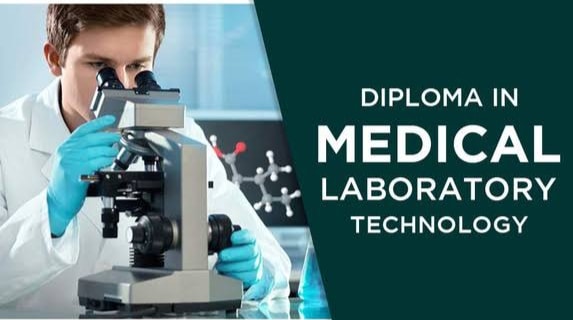
The college prepares students for the "A" Grade Diploma in Medical Laboratory Technology conducted by Karnataka State Government Para Medical Board. The course develops an aptitude in students for the field and provides necessary knowledge and skills to deliver comprehensive paramedical care to patients with various illnesses, fulfilling manpower needs in diagnostic health services.
|
Objectives:
| 1 | To develop an aptitude in the field and provide knowledge and skills for comprehensive paramedical care. |
| 2 | To develop skills to recognize and interpret physical, mental, and emotional signs of illness and plan individualized patient care. |
| 3 | To help students collaborate with medical and paramedical teams and participate in disease prevention and health promotion programs. |
| 4 | To instill an appreciation of ethical and moral principles in paramedical practice. |
| 5 | To train students to practice and teach others about healthy living. |
| 6 | To prepare students to become independent and financially self-supporting after training. |
| 7 | To make students sensitive to the rights of others and aware of their professional duties and responsibilities. |
| 8 | To fulfill the manpower needs of healthcare services. |
Eligibility:
| 1 | SSLC / 10th Standard (for 3-year course). |
| 2 | PUC / PDC / HSC / 10+2 with Science (Physics, Chemistry, Biology) [2-year course]. |
| 3 | Male/Female candidates with good conduct and sound health between 17 to 35 years are eligible. |
| 4 | Physical fitness certified by a registered medical practitioner is required. |
| 5 | Working knowledge of English is essential. |
Duration:
| 1 | 3 academic years for SSLC / 10th Std pass candidates. |
| 2 | 2 academic years for 10+2 Science pass candidates. |
Syllabus:
| Theory & Practical |
| English, Physics, Chemistry, Biology, Anatomy & Physiology, Biochemistry, Pathology, Microbiology (includes practicals). |
* University / Board / Apex body prescribed syllabus / Duration will be applicable.
Diploma in X-Ray Technician,
D.M.X.T.
Affiliated to Karnataka State Paramedical Board / KSAHC
|
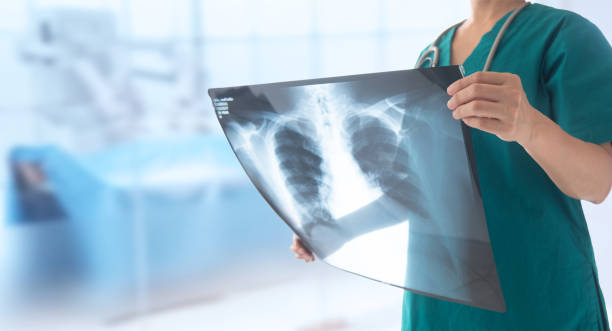
The college prepares diploma holders in X-Ray technology to meet societal needs by providing quality education and training. The course develops students’ skills in recognizing and interpreting physical, mental, and emotional manifestations of illness, enabling them to plan patient care based on individual needs. It also prepares students to become independent and financially self-supporting after completion of training.
|
|
Objectives:
| 1 | To develop aptitude in the field and provide knowledge and skills for comprehensive paramedical care for patients with various illnesses. |
| 2 | To develop skills in recognizing and interpreting physical, mental, and emotional signs of illness, and plan patient care accordingly. |
| 3 | To train students to work in collaboration with medical and paramedical staff, participating in disease prevention and health promotion programs. |
| 4 | To develop an understanding of ethical and moral principles in paramedical sciences. |
| 5 | To train students to practice and teach the principles of healthy living. |
| 6 | To prepare students to gradually become independent and self-supporting financially after their training. |
| 7 | To cultivate sensitivity to the rights of others and foster awareness of professional duties and responsibilities towards society. |
| 8 | To fulfill the manpower requirements of health services. |
Eligibility:
| 1 | SSLC / 10th Standard (3-year course). |
| 2 | PUC / PDC / HSC / 10+2 with Science (Physics, Chemistry, Biology) [2-year course]. |
| 3 | Male/Female candidates with good conduct and sound health between 17 to 35 years are eligible. |
| 4 | Physical fitness certified by a registered medical practitioner is required. |
| 5 | Working knowledge of English is essential. |
Duration:
| 1 | 3 academic years for SSLC / 10th Standard pass candidates. |
| 2 | 2 academic years for 10+2 Science pass candidates. |
Syllabus:
| Theory & Practical |
| English, Physics, Chemistry, Biology, Anatomy & Physiology, General Physics, Anatomy, Physiology, Pathology, Radiography I, II & III (includes Practicals), and Medical Records. |
* University / Board / Apex body prescribed syllabus / Duration will be applicable.
Diploma in Sanitary Health Inspectors
D.S.H.I.
Affiliated to Karnataka State Paramedical Board / KSAHC
|
The college trains students to become Sanitary Health Inspectors through proper education and hands-on training in collaboration with the district health department and municipal authorities. Students receive practical training in urban, semi-urban, and rural areas under the guidance of Medical Inspectors, Conservancy Supervisors, and Malaria Inspectors.
|
 |
Objectives:
| 1 | To develop aptitude in the field and provide the necessary knowledge and skills for comprehensive paramedical services. |
| 2 | To develop skills in recognizing physical, mental, and emotional conditions of patients and planning individual care based on their needs. |
| 3 | To foster teamwork with medical and paramedical personnel and actively participate in community health programs. |
| 4 | To promote an appreciation for ethical and moral principles in the practice of paramedical sciences. |
| 5 | To teach and practice principles of healthy living within communities. |
| 6 | To prepare students to become independent, self-supporting, and financially stable after the course. |
| 7 | To encourage respect for others and create awareness of duties and responsibilities towards the profession and society. |
| 8 | To address the manpower needs of healthcare services effectively. |
Eligibility:
| 1 | SSLC / 10th Std (3-year course). |
| 2 | PUC / PDC / HSC / 10+2 with Science (Physics, Chemistry, Biology) [2-year course]. |
| 3 | Male/Female candidates with good conduct and sound health between 17 to 35 years are eligible. |
| 4 | Physical fitness certified by a registered medical practitioner is required. |
| 5 | Working knowledge of English is essential. |
Duration:
| 1 | Three academic years for 10th Std Pass. |
| 2 | Two academic years for 10+2 Science pass. |
Syllabus:
| Theory & Practical |
| English, Physics, Chemistry, Biology, Anatomy & Physiology (including Practical), Concepts in Community Health, Nutrition & Health, Basic Epidemiology, Maternal and Child Health (MCH) & Family Planning, First Aid. |
* University / Board / Apex body prescribed syllabus / Duration will be applicable.
Diploma in Radiology Technician,
D.M.R.T.
Affiliated to Karnataka State Paramedical Board / KSAHC
INTRODUCTION :
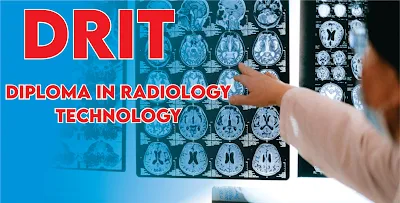
Every large healthcare facility has a team of technicians who assign diagnostic codes to patients' records for insurance reimbursement and data tracking. They also maintain records for national cancer registries by monitoring diagnosis, treatment, and survival rates. Health Information Technicians receive training in medical terminology, anatomy, and physiology. Certification as a Registered Health Information Technician (RHIT) requires passing a written exam.
 |
ELIGIBILITY :
| 1 | Pass in SSLC / 10th Standard (3 Years Course) |
| 2 | Pass in PUC / 10+2 / HSC / Intermediate with Biology (2 Years Course) |
DURATION :
| 1 | 2 Years for PUC / 10+2 Pass |
| 2 | 3 Years for SSLC / 10th Pass |
COURSE OF STUDY :
| I Year Subjects (for 3-Year Course Students) | |
| 1 | English, Physics, Chemistry, Biology |
| II Year / Final Year Subjects (for 2-Year Course Students) | |
| 1 | Medical Terminology |
| 2 | Hospital Administration |
| 3 | Computer Science |
| 4 | Medical Surgical Studies |
| 5 | Medical Records |
* University / Board / Apex body prescribed syllabus / Duration will be applicable.
Diploma in Dialysis Technology
(D.D.T.)
Recognized by Government of Karnataka and Affiliated to Karnataka State Paramedical Board / KSAHC
INTRODUCTION :
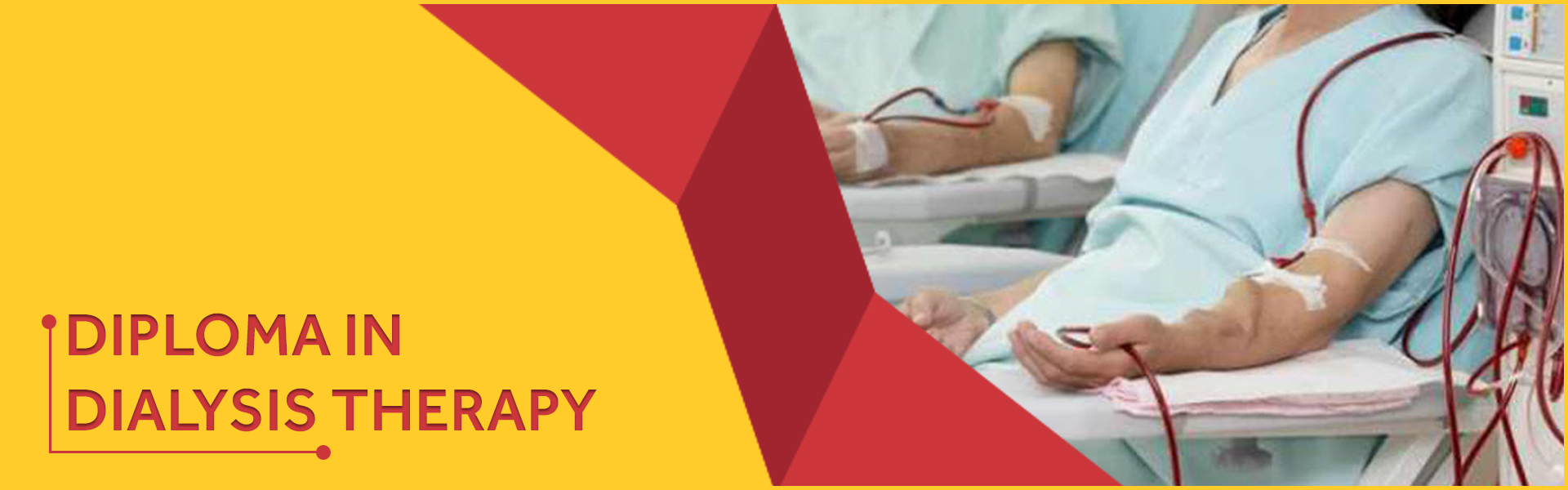
Dialysis is a treatment for patients with kidney failure. For end-stage renal disease (ESRD) patients, dialysis is essential unless they receive a kidney transplant. Dialysis technologists perform hemodialysis by circulating the patient’s blood through an extracorporeal circuit (ECC) involving needles, a dialyzer (artificial kidney), and dialysis machine. They also monitor patient vitals, perform emergency procedures, and maintain dialysis equipment.
 |
ELIGIBILITY :
| 1 | SSLC / 10th Standard (3 Years Course) |
| 2 | PUC / 10+2 / HSC with Biology (2 Years Course) |
DURATION :
3 Years / 2 Years
COURSE OF STUDY :
| I Year Subjects (for 3-Year Course Students) | |
| 1 | English, Physics, Chemistry, Biology |
| II Year Subjects (for 2-Year Course Students) | |
| 1 | Anatomy, Physiology |
| III Year Subjects | |
| 1 | Hemodialysis, Pathology, Microbiology |
Diploma in Ophthalmic Technology
(D.O.T.)
Recognized by Government of Karnataka and Affiliated to Karnataka State Paramedical Board / KSAHC
INTRODUCTION :
The eye is one of the most vital organs of the human body, allowing us to enjoy the beauty of colors and visual objects. Proper eye care is essential to maintain good vision. Spectacles, which are used daily, require regular maintenance and repairs. Skilled ophthalmic technicians are essential for addressing vision-related issues and maintaining spectacles and related equipment. This diploma trains individuals to become qualified ophthalmic technicians capable of providing these services.
 |
ELIGIBILITY :
| 1 | Pass in SSLC / 10th Standard (2 Years Course) |
| 2 | Pass in 10+2 / PUC / Intermediate with Biology (2 Years Course) |
DURATION :
3 Years / 2 Years
COURSE OF STUDY :
| I Year Subjects (for 3-Year Course Students) | |
| 1 | English, Physics, Chemistry, Biology |
| II & III Year Subjects (for 2-Year Course Students) | |
| 1 | Clinical Ophthalmology, Anatomy & Physiology, Ophthalmic Biochemistry, Parson’s Diseases |
Diploma in Operation Theatre Technology & Anaesthesia Technology
(D.O.T.T & A.T)
Recognized by Government of Karnataka and Affiliated to Karnataka State Paramedical Board / KSAHC
INTRODUCTION :
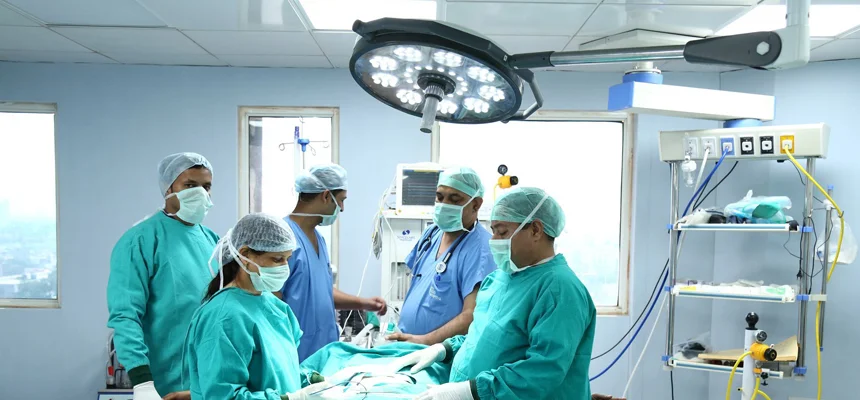
The Diploma in Operation Theatre Technology trains students to become skilled Operation Theatre Technicians. These technicians are essential in the healthcare sector for assisting surgeons, anesthesiologists, and nurses during surgical procedures. The program emphasizes patient care before, during, and after surgery, sterilization techniques, equipment handling, and adherence to safety protocols. Graduates of this course are well-equipped to manage operating theatres and surgical units efficiently.
 |
ELIGIBILITY :
| 1 | Pass in SSLC / 10th Standard (3 Years Course) |
| 2 | Pass in PUC / 10+2 / Intermediate with Biology (2 Years Course) |
DURATION :
3 Years / 2 Years
COURSE OF STUDY :
| I Year Subjects (for 3-Year Course Students) | |
| 1 | English, Physics, Chemistry, Biology |
| II Year / Final Year Subjects (for 2-Year Course Students) | |
| 1 | Anatomy & Physiology, Biochemistry, Pharmacology, Microbiology, Fundamentals of Operation Theatre Technology |
Diploma in Pharmacy
Recognized by Government of Karnataka and Affiliated to Pharmacy Board & PCI
ELIGIBILITY:
Minimum qualification for admission to Diploma in Pharmacy Part-I course: A candidate should pass in any of the following examinations with Physics, Chemistry, and Biology subjects:
DURATION OF THE COURSE:
The duration of the course shall be two academic years, with each academic year spread over a period of not less than 180 working days, in addition to 500 hours of practical training spread over a period of not less than 3 months.
COURSE OF STUDY:
First Year D. Pharm:
Second Year D. Pharm (Part-II):
Post Graduation Diploma in Hospital Administration
Affiliated to Indian Society of Health Administration, Bangalore (ISHA)
The stone age person lived a natural and simple life. All his contemporaries lived in the lap of mother nature. All his education was incidental and informal. Those days there were no formal schools.
The mother nature was the basic teacher and provided the space and place to learn life skills. This stone age person survived and grew by interacting with the mother nature around him. This interaction represented the substance for his learning and formed the complete rudiments of his education. There was no other formalized space, time and tasks that could be called as education and school. It was a self learning environment. It must have taken a long time for their transaction from Pre-Agricultural wave to Agricultural wave. In India, the Agricultural wave started in a big way.

|
The ancient agricultural India had acquired high levels of civilization and culture. It was a time when ancient India had evolved a unique system of education called Guru Kula. The education of the student used to take place at the home of the teacher.
The information wave has just entered the spheres of our economy, politics, trade, technology, social relationships and many others. The speed of change is rapid. Within the frame work of distance education we will find that instead of acquiring knowledge alone, the learners will be busy in creating knowledge and sharing their experiences through creative expressions.
Objectives :
| 1 | To develop communication skills, oral and written to the candidates who take up administration as their careers. |
| 2 | To develop skills in tackling of problems of day to day nature faced by Hospital Administrators. |
| 3 | To develop skills among students for devising appropriate strategies, effective planning, implementation and evaluation of a wide variety of health and family welfare programmes, both Institutional and Community based. |
| 4 | To enable the students to acquaint with better understanding of scope of administration and to emphasis the maintenance of Hospital in healthy conditions. |
| 5 | To promote basic knowledge about Finance, Accounting and General Management. |
Eligibility :
| 1 | Graduate in any Discipline |
| 2 | Male/Female candidates with good conduct and sound health between the age of 17 to 35 years are eligible. |
| 3 | Physical fitness must be ensured by certification from a registered medical practitioner. |
| 4 | Working knowledge of English is essential. |
Duration:
One academic year
Syllabus:
Theory
Hospital Planning & Administration, Supportive Services, Management Principles, Dissertation Paper
Mode: Correspondence
Scheme of Examination
| Sl.No | Subjects | Internal Assessment | Final Exam | Total Marks |
|---|---|---|---|---|
| 1 | Hospital Planning & Administration | 25 | 75 | 100 |
| 2 | Supportive Service | 25 | 75 | 100 |
| 3 | Management Principles | 25 | 75 | 100 |
| 4 | Dissertation Paper | — | — | 100 |
* University / Board / Apex body prescribed syllabus / Duration will be applicable.
Post Certificate Diploma in Nursing Administration
Affiliated to Indian Hospital Association
The stone age person lived a natural and simple life. All his contemporaries lived in the lap of mother nature. All his education was incidental and informal. Those days there were no formal schools. The mother nature was the basic teacher and provided the space and place to learn life skills. This stone age person survived and grew by interacting with the mother nature around him. This interaction represented the substance for his learning and formed the complete rudiments of his education. There was no other formalized space, time and tasks that could be called as education and school. It was a self learning environment. It must have taken a long time for their transaction from Pre-Agricultural wave to Agricultural wave. In India, the Agricultural wave started in a big way.
The ancient agricultural India had acquired high levels of civilization and culture. It was a time when ancient India had evolved a unique system of education called Guru Kula. The education of the student used to take place at the home of the teacher.
The information wave has just entered the spheres of our economy, politics, trade, technology, social relationships and many others. The speed of change is rapid. Within the frame work of distance education we will find that instead of acquiring knowledge alone, the learners will be busy in creating knowledge and sharing their experiences through creative expressions.
Objectives:
| 1 | To develop communication skills, oral and written to the candidates who take up administration as their careers. |
| 2 | To develop skills in tackling of problems of day to day nature faced by Hospital Administrators. |
| 3 | To develop skills among students for devising appropriate strategies, effective planning, implementation and evaluation of a wide variety of health and family welfare programmes, both Institutional and Community based. |
| 4 | To enable the students to acquaint with better understanding of scope of administration and to emphasis the maintenance of Hospital in healthy conditions. |
| 5 | To promote basic knowledge about Finance, Accounting and General Management. |
Eligibility:
| 1 | General Nursing / ANM / Health Visitor’s Training Certificate. |
| 2 | Male/Female candidates with good conduct and sound health. |
| 3 | Physical fitness must be ensured by certification from a registered medical practitioner. |
| 4 | Working knowledge of English is essential. |
Duration:
One academic year
Syllabus:
Theory
Nursing Administration, Supportive Services, Management Principles, Primary Health Care.
Mode:
Correspondence
| Sl.No | Subjects | Internal Assessment | Final Exam | Total Marks |
|---|---|---|---|---|
| 1 | Nursing Administration | 25 | 75 | 100 |
| 2 | Supportive Services | 25 | 75 | 100 |
| 3 | Management Principles | 25 | 75 | 100 |
| 4 | Primary Health Care | 25 | 75 | 100 |
* University / Board / Apex body prescribed syllabus / Duration will be applicable.
Post Certificate Diploma in Public Health Administration
Affiliated to Indian Hospital Association
The stone age person lived a natural and simple life. All his contemporaries lived in the lap of mother nature. All his education was incidental and informal. Those days there were no formal schools. The mother nature was the basic teacher and provided the space and place to learn life skills. This stone age person survived and grew by interacting with the mother nature around him.
This interaction represented the substance for his learning and formed the complete rudiments of his education. There was no other formalized space, time and tasks that could be called as education and school. It was a self learning environment. It must have taken a long time for their transaction from Pre-Agricultural wave to Agricultural wave. In India, the Agricultural wave started in a big way.
The ancient agricultural India had acquired high levels of civilization and culture. It was a time when ancient India had evolved a unique system of education called Guru Kula. The education of the student used to take place at the home of the teacher.
The information wave has just entered the spheres of our economy, politics, trade, technology, social relationships and many others. The speed of change is rapid. Within the framework of distance education we will find that instead of acquiring knowledge alone, the learners will be busy in creating knowledge and sharing their experiences through creative expressions.
Objectives:
This Institute prepares and provides a high degree of professional education in hospital administration to young men and women in matters relating to Hospital Management. The specific objectives of the programmes are :
| 1 | To develop communication skills, oral and written to the candidates who take up administration as their careers. |
| 2 | To develop skills in tackling of problems of day to day nature faced by Hospital Administrators. |
| 3 | To develop skills among students for devising appropriate strategies, effective planning, implementation and evaluation of a wide variety of health and family welfare programmes, both Institutional and Community based. |
| 4 | To enable the students to acquaint with better understanding of scope of administration and to emphasis the maintenance of Hospital in healthy conditions. |
| 5 | To promote basic knowledge about Finance, Accounting and General Management. |
Eligibility:
| 1 | Diploma in Nursing or Certificate in Basic Health Worker/Public Health worker/Health Visitor’s Training Certificate. |
| 2 | Male/Female candidates with good conduct and sound health. |
| 3 | Physical fitness must be ensured by certification from a registered medical practitioner (Allopathic). |
| 4 | Working knowledge of English is essential. |
Duration:
One academic year
Syllabus:
Theory:
| 1 | Public Health Administration |
| 2 | Community Health & Development |
| 3 | Primary Health Care |
| 4 | Public Health in India |
| 5 | Health Education |
Mode: Correspondence
Scheme of Examination
| Sl.No | Subjects | Internal Assessment | Final Exam | Total Marks |
|---|---|---|---|---|
| 1 | Public Health Administration | 25 | 75 | 100 |
| 2 | Community Health & Development | 25 | 75 | 100 |
| 3 | Primary Health Care | 25 | 75 | 100 |
| 4 | Public Health in India | 25 | 75 | 100 |
| 5 | Health Education | 25 | 75 | 100 |
* University / Board / Apex body prescribed syllabus / Duration will be applicable.
Post Certificate Diploma in Nutrition & Dietetics
Affiliated to Indian Hospital Association
The stone age person lived a natural and simple life. All his contemporaries lived in the lap of mother nature. All his education was incidental and informal. Those days there were no formal schools. The mother nature was the basic teacher and provided the space and place to learn life skills. This stone age person survived and grew by interacting with the mother nature around him. This interaction represented the substance for his learning and formed the complete rudiments of his education. There was no other formalized space, time and tasks that could be called as education and school. It was a self learning environment. It must have taken a long time for their transaction from Pre-Agricultural wave to Agricultural wave. In India, the Agricultural wave started in a big way.
The ancient agricultural India had acquired high levels of civilization and culture. It was a time when ancient India had evolved a unique system of education called Guru Kula. The education of the student used to take place at the home of the teacher.
The information wave has just entered the spheres of our economy, politics, trade, technology, social relationships and many others. The speed of change is rapid. Within the framework of distance education we will find that instead of acquiring knowledge alone, the learners will be busy in creating knowledge and sharing their experiences through creative expressions.
Objectives:
This Institute prepares and provides a high degree of professional education in hospital administration to young men and women in matters relating to Hospital Management. The specific objectives of the programmes are:
| 1 | To develop communication skills, oral and written to the candidates who take up administration as their careers. |
| 2 | To develop skills in tackling of problems of day to day nature faced by Hospital Administrators. |
| 3 | To develop skills among students for devising appropriate strategies, effective planning, implementation and evaluation of a wide variety of health and family welfare programmes, both Institutional and Community based. |
| 4 | To enable the students to acquaint with better understanding of scope of administration and to emphasis the maintenance of Hospital in healthy conditions. |
| 5 | To promote basic knowledge about Finance, Accounting and General Management. |
Eligibility:
| 1 | SSLC and above. |
| 2 | Male/Female candidates with good conduct and sound health. |
| 3 | Physical fitness must be ensured by certification from a registered medical practitioner. |
| 4 | Working knowledge of English is essential. |
Duration:
One academic year.
Syllabus:
Theory
Nutrition & Health, Nutrition Problem in India, Food Science, Food Microbiology, Food Preservation, Child System & Health.
Mode:
Correspondence
Scheme of Examination
| Sl.No | Subjects | Internal Assessment | Final Exam | Total Marks |
|---|---|---|---|---|
| 1 | Nutrition & Health | 25 | 75 | 100 |
| 2 | Nutrition Problem in India | 25 | 75 | 100 |
| 3 | Food Science | 25 | 75 | 100 |
| 4 | Food Microbiology | 25 | 75 | 100 |
| 5 | Food Preservation | 25 | 75 | 100 |
| 6 | Child System & Health | 25 | 75 | 100 |
* University / Board / Apex body prescribed syllabus / Duration will be applicable.
Pre University College
Courses Offered:

|
| Faculty | Duration | Eligibility |
|---|---|---|
| Science (PCMB) | 2 Years | SSLC / 10th Standard |
| Commerce (HEBA, EBACSc, MSBA, CSBA) | 2 Years | SSLC / 10th Standard |